Summers stretched on forever in Louisiana in the 1950s. The air and humidity didn’t just seem heavy. They seemed to press down hard enough to make front porches look like they were sagging. The people were polite. Conversations moved slowly. Words always seemed to get trapped between the throat and the humidity. The only things that never knew when to shut up were the cicadas.
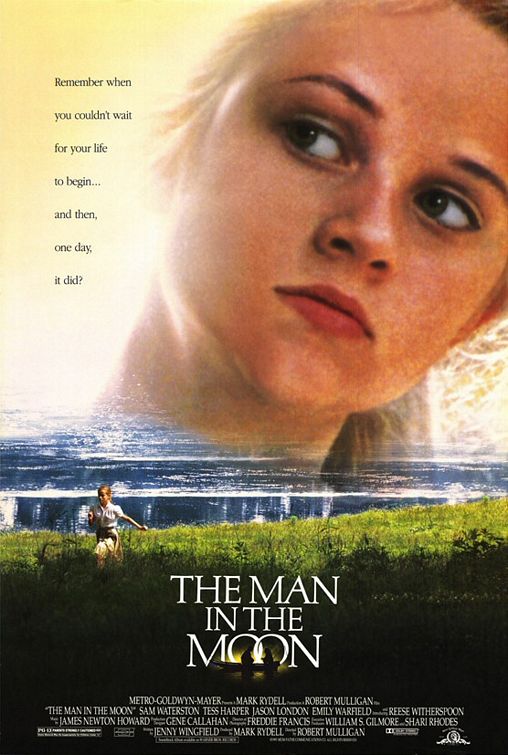
Reese Witherspoon is explosive here in her screen debut. She plays Dani. Fourteen, barefoot, always smacking gum as though it can barely divert her internal restlessness. On an otherwise uneventful day, she meets the boy next door, Court Foster (Jason London). She mistakes him at first for a trespasser, but he’s really the new neighbor. She’s incredulous at first. But his charm works on her. And that’s plenty. She’s in. Captivated. She falls in love. Subsequently, they spend a handful of summer afternoons together—small errands, shared glances. Her crush grows, but he clearly never sees her as a romantic possibility. And thank goodness for that, because she’s far too young, and he lets that be known. He calls her “kid”—affection and dismissal in the same breath—and every time he says it, you can see her trying to hear something else in the word. Some hidden meaning that never arrives.
Then Court’s attention drifts to Maureen, Dani’s older sister, home from school and suddenly the center of every conversation. They start to see each other. That’s not betrayal, though. It’s gravity. It’s the way things should be. The way they have to be. But that doesn’t stop Dani from feeling that the whole world is tilting away from her. You can feel how that lump forms in her throat.
Sam Waterston turns in one of his more notable career performances as their father—a man who seems like he’s been living his life by following instructions. He’s rigid, dutiful, exact. You can see how deeply it hurts when those rules suddenly stop making sense. That he has no idea how to adjust. (This manifests in an unforgettable scene when he reduces himself to slapping Dani on the cheek—a heated moment he instantly regrets.) Tess Harper plays their mother, who seems to keep her household running just through sheer force of will. She can’t fix anything. Her love is maintenance.
And then comes the tragedy. It’s quick. The kind of accident that happens in a heartbeat and is so arbitrary it feels like a gust of wind should have prevented it. You don’t even believe it happened at first. But it changes everything.
Robert Mulligan directs this film like a man observing it all from one porch over. Close enough to hear the arguments, too polite to interfere with them. His approach is patient and methodical. He’s even alert to the small gestures people give that pass for affection.
A quietly powerful film that I found completely absorbing—especially in the way it sneaks up on you and stays. The tragedy doesn’t feel staged. It feels remembered. In the moments after the movie ended, I found myself looping that moment endlessly through my head. Like I do with tragedies I actually lived through. From far away, The Man in the Moon looks small. Really, most movies look small when you consider that they’re stories about people you’ll never meet, and in most cases, not even about people who ever existed. But if you let yourself get close to them, like this movie makes so easy to do, they’re liable to pull you under. This is a movie I didn’t just watch. I fell into its beautiful, aching, and unforgettable spell.